

Dear Dermatologist
Here we are in the height of summer, able to enjoy lots of sunshine if we weren’t so stinking afraid of it. I know the dermatologist’s job is to protect my skin, but here is what I really want her to know. I sent her these facts and if I get a reply, will update this post with it (update as of August 2026: she acknowledged receipt of the email but didn’t reply specifically to any of the information).
3 out of 5 Americans spend less than an hour outside each day. One in five spend less than 15 minutes (source). One hour out of 24 is 4%. The majority of Americans spend less than 4% of their time outdoors. Spreading fear of the sun isn’t helping.
The sun isn’t all danger. Only 7% of its rays are UV, while as much as 50% is beneficial infrared light the provides heat and helps improve mitochondrial function. You don’t say an orange is bad because it’s all sugar. Looking at the sun in parts gives a misleading picture. Also, read on to learn how UV light benefits us, even though we’ve been conditioned to think it’s dangerous.
Some sunscreen ingredients are not classified as GRASE (generally recognized as safe and effective) by the FDA. Some have been found to cause allergic dermatitis, photosensitivity, endocrine disruption (source), and even cancer (source). We have ingredients in our sunscreens today that are not GRASE but are allowed in amounts 30x what is allowed in Europe (for example, homosalate; source).
Nano zinc oxide and titanium dioxide are currently recognized as GRASE and allowed at concentrations of up to 25% in sunscreens, but research shows the nano particles can cross the blood brain barrier and cause neurotoxicity (source). Nanoparticles have also been found in organs other than the CNS.
In 2026, the global sunscreen market is 8.27 billion dollars (source).
A tan in not skin damage. A tan is skin adaptation. And when the skin adapts to the sun, it releases melanin. Melanin is one of the best ways to protect yourself from sunburn. Why are dermatologists so opposed to tans?
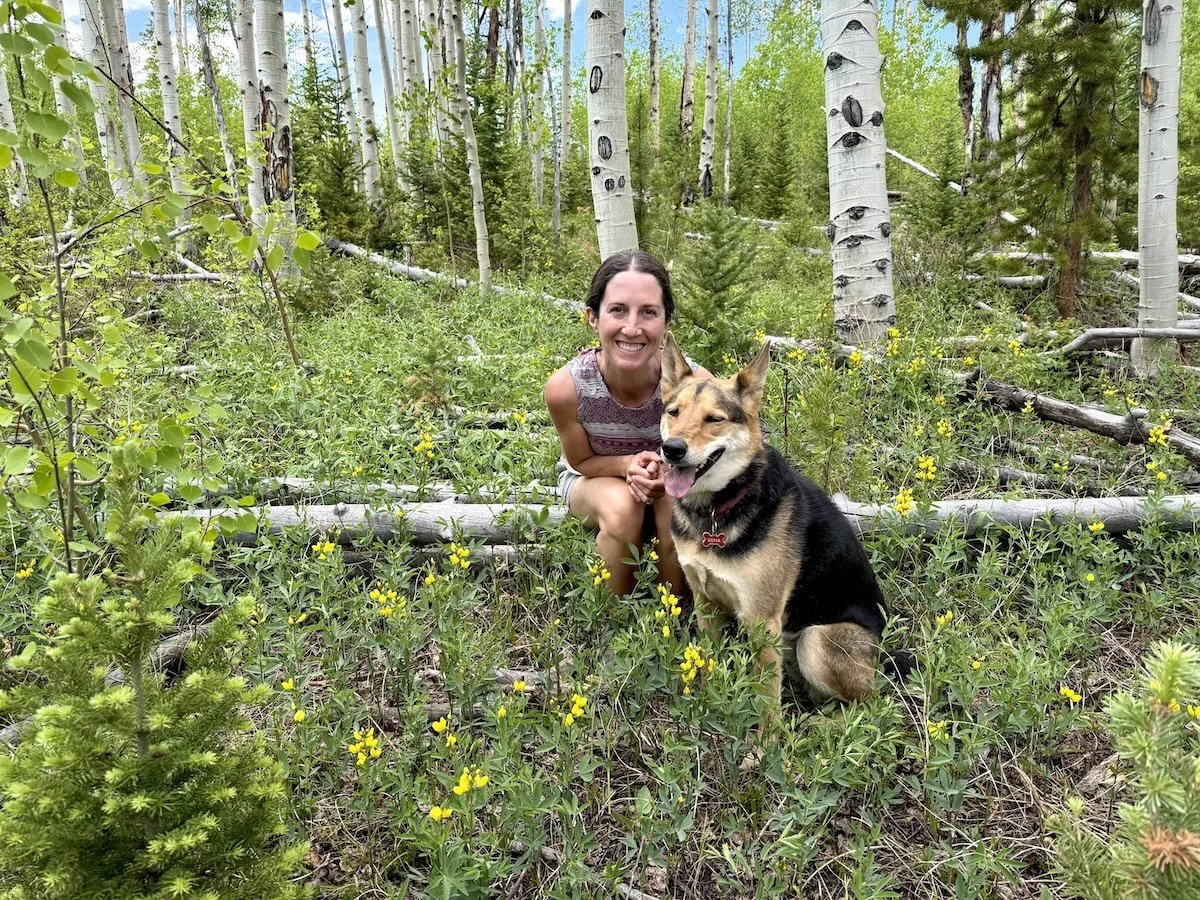
Hiking outside without sunscreen. I’ve used hats, coverups, shade, gradually developing a tan, and paying attention to the intensity of the sun in lieu of sunscreen for over three years without getting burned.
Exposure to UV light on the skin causes your body to make endorphins, feel good chemicals that reduce pain and are responsible for the “runner’s high.”
A 2019 meta-analysis of 84 studies found that the vast majority reported “inverse associations between 25(OH)D concentration and all-cause mortality.” That means that you’re less likely to die from any cause when you have better levels of circulating vitamin D, which is made in response to UVB light (source).
Vitamin D supplements have not always been found to produce the same effects as getting your D from the sun (source).
Our skin synthesizes serotonin in response to UVA light. The manufacturers of drugs that increase serotonin, SSRIs, made $17 billion in 2025 (source). Sadly, no one tells us that you can increase it for free in the sun.
Children who spend more time outside are less likely to develop myopia (nearsightedness). The International Myopia Institute guidelines recommend that school-aged children have a minimum of 8 to 15 hours of outdoor activity per week to achieve meaningful protection from myopia (source).
Multiple studies have found that sunlight reduces blood pressure and the risk of cardiovascular disease (source, source).
A 2026 meta-analysis of 45 studies concluded that “an increase of UV radiation provided a protective effect” against influenza (source). Many other studies have found similar effects against COVID.
A Swedish study of 30,000 women concluded that “avoiding sun exposure is a risk factor for all-cause mortality. Following sun exposure advice that is very restrictive in countries with low solar intensity might in fact be harmful to women's health.” (source) That study also found that avoiding sun was a risk factor for death comparable to smoking cigarettes.
Sun reduces the risk of mortality from some of our largest killers like heart disease (683,491 deaths in 2025) and cancer (619,876 in 2025), while melanoma killed only 8430 people in 2025. You are 155 times more likely to die from heart disease or cancer than you are melanoma. Too bad dermatologists only concerned with melanoma and not your overall health.
Melanoma’s risk has been grossly overstated. In 2025, only 1.4% of all cancer deaths were due to melanoma (source).
At least half a dozen studies have found that indoor workers have higher instances of melanoma, or that outdoor work does not increase melanoma risk (1, 2, 3, 4, 5, 6).
Research has found that exposure to sun increases the chances of survival from melanoma (source).
In 2020, the International Agency for Research on Cancer evaluated the cancer-preventive activity of sunscreens. The working group concluded that sunscreens probably prevent Squamous Cell Carcinoma, but no conclusion could be drawn about the cancer-prevention of sunscreens against Basal Cell Carcinoma or Melanoma. They suspect that the use of sunscreens allows for additional sun exposure and that this may increase the risk of melanoma. They warn against relying solely on sunscreens (source).
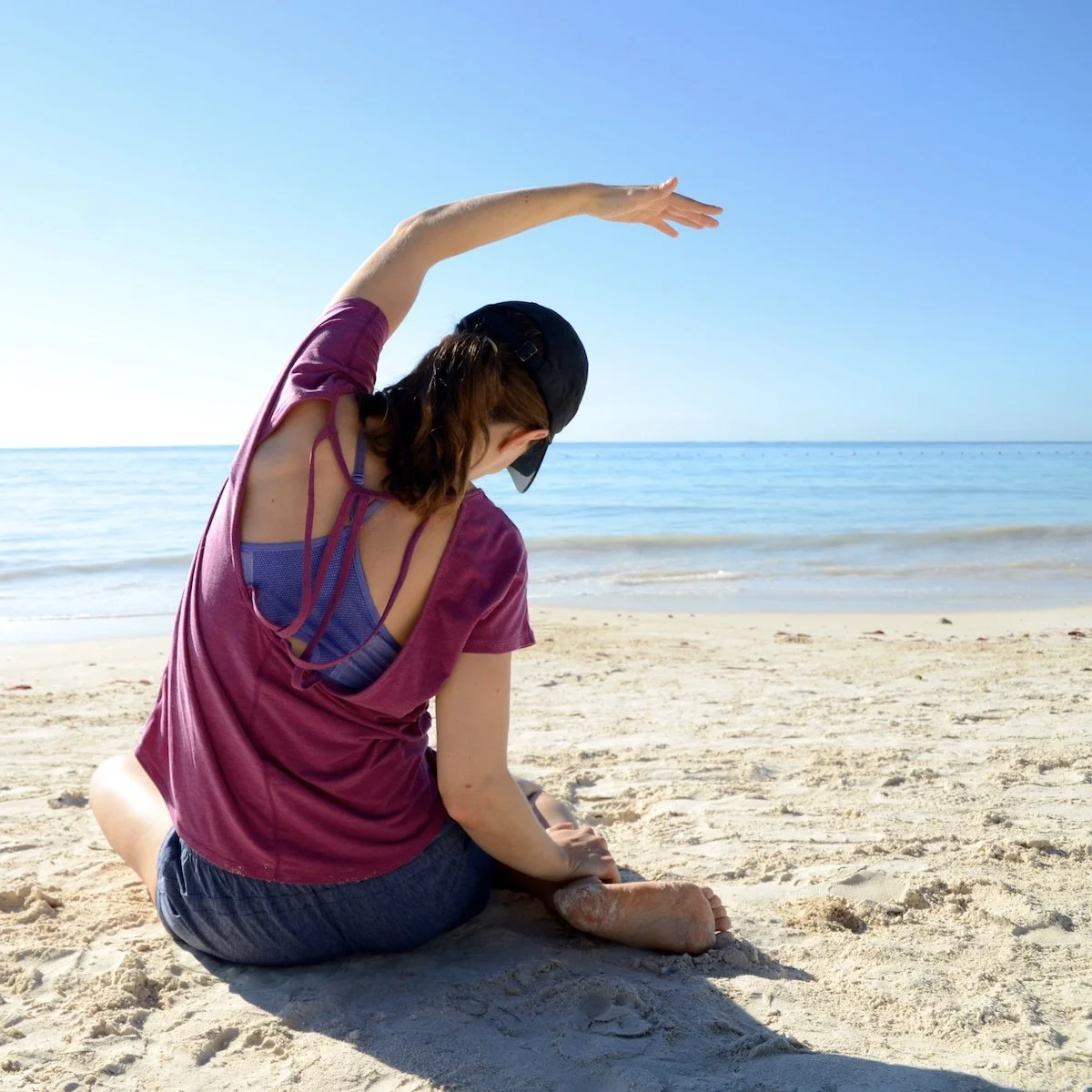
Early morning sun is not the same as midday sun. Understanding the sun helps you make more educated decisions about when to enjoy and when to seek shade or cover up.
Lifestyle Coaching with Optimize can teach you how to safely use the sun to improve your health. There’s no need for fear or abstinence!